TEACHING
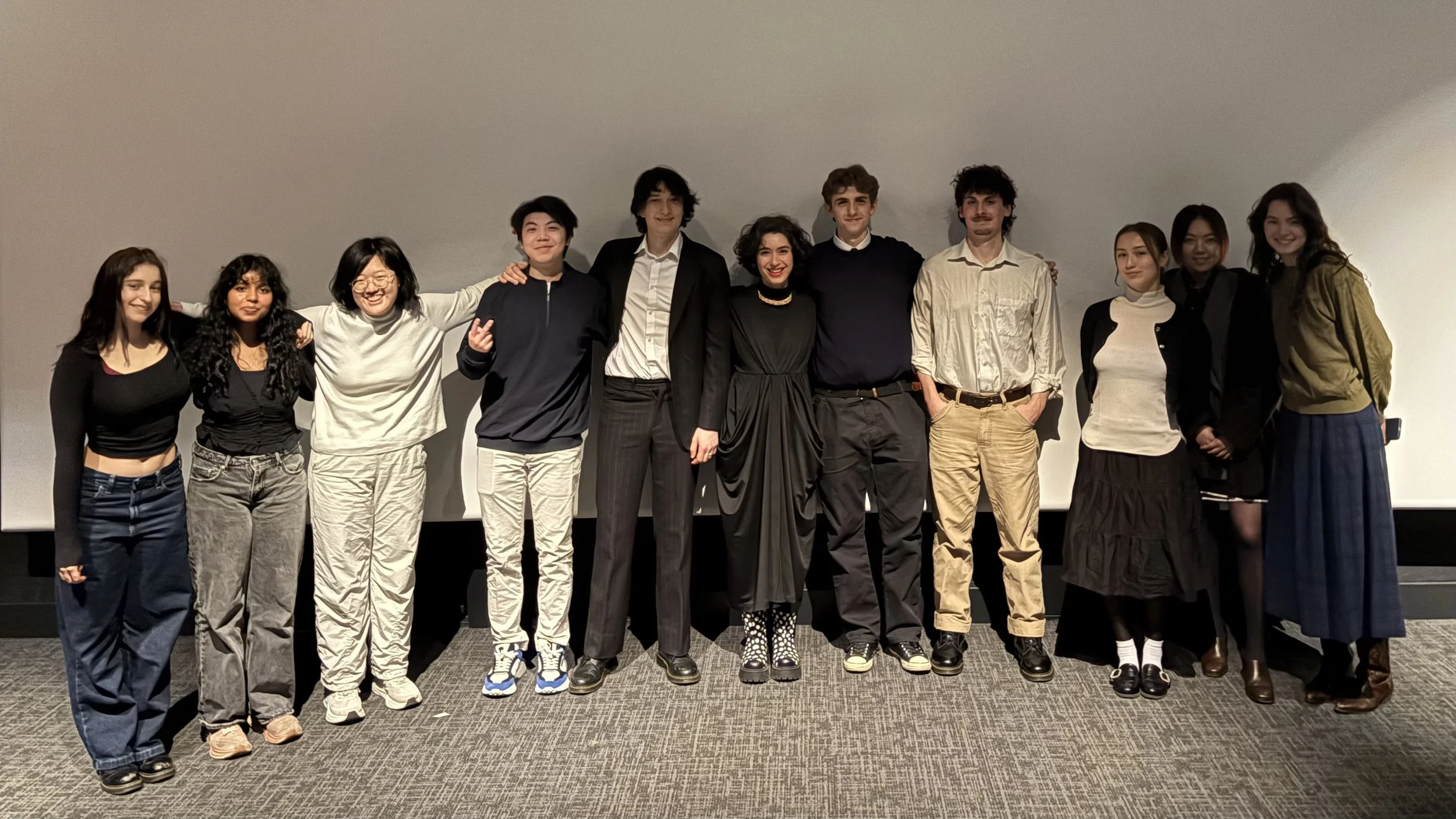
THE ACTOR’S CRAFT
A course I created and teach in Paris College of Art’s Film Art program
Soleil Perez & Zachary Lee in a scene from Joel & Ethan Coen’s Inside Llewyn Davis
This course introduces students to the craft of acting through a combination of theory and practice. Throughout the semester, students learn about the history of modern acting and train as actors in order to become better screenwriters and directors.
We begin with an overview of Konstantin Stanislavsky’s work at the Moscow Art Theatre and the development of his foundational System of acting. Subsequent classes chart the System’s legacy in American theatre and film, with a focus on the methods of three of the country’s most revered—and sometimes controversial—acting teachers: Lee Strasberg, Stella Adler, and Sanford Meisner. Significant class time is also devoted to studying the performances of actors trained by these luminaries, including James Dean, Al Pacino, Marlon Brando, and Diane Keaton.
These seminar-style lectures alternate with acting workshops, in which we put the teachings of Stanislavsky and his heirs into practice in a safe and collaborative classroom environment. Through sensory awareness and affective memory exercises, improvisations, and scene studies, students learn to use their bodies and inner lives to play off of each other intuitively and create truthful, compelling characters. By immersing themselves in the actor’s process, students come out of the class as more knowledgeable and sensitive directors. The course culminates in a public performance of scenes. —Yonca Talu
Films studied include: Michael Curtiz’s Four Daughters (1938), starring John Garfield; Elia Kazan’s East of Eden (1955), starring James Dean; Sidney Lumet’s The Fugitive Kind (1960), starring Marlon Brando; and Warren Beatty’s Reds (1981), starring Diane Keaton.
PROJECT RESEARCH SEMINAR
A course I redesigned and teach in Paris College of Art’s Film Art program
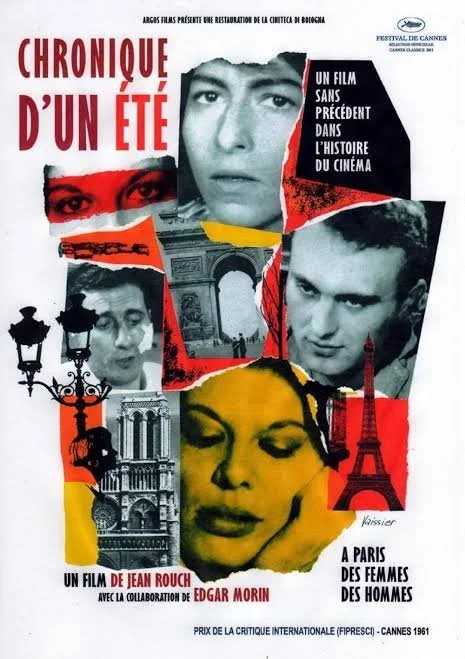
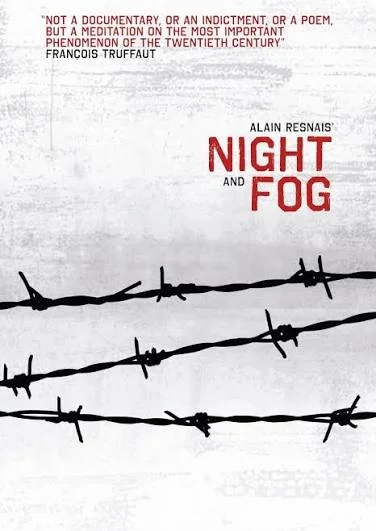
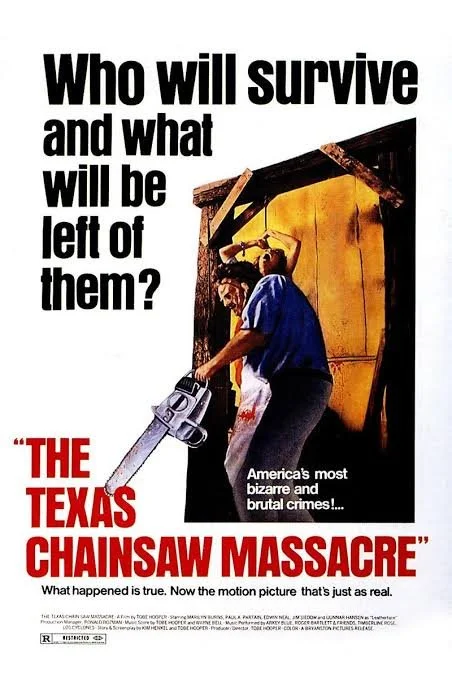
This seminar course equips students with essential research skills for filmmakers. Throughout the semester, students gain tools and methods to conduct research for their capstone projects, from formulating a research question and consulting appropriate sources to doing field research through observation and interviews.
We begin with an overview of different types of research and how they are practiced by filmmakers working in fiction (Todd Haynes) and documentary (Werner Herzog). Subsequent classes explore the relationship between cinema and other disciplines involving research, such as history, anthropology, and gender studies, with examples ranging from Holocaust cinema and cinéma vérité to 1970s feminist cinema. Through this multidisciplinary investigation, students learn to bridge the gap between theory and practice and bring their projects into conversation with film and world history.
Significant class time is also devoted to workshopping students’ projects. In addition to pitching their films, students make detailed presentations of their research and its development. These are followed by collective discussions in which we reflect on each project’s form and content, share feedback, brainstorm research ideas, and address any challenges faced by students. —Yonca Talu
Films studied include: Todd Haynes’s Carol (2015); Werner Herzog’s Into the Abyss (2011); Alain Resnais’s Night and Fog (1956); Jean Rouch and Edgar Morin’s Chronicle of a Summer (1961); Tobe Hooper’s The Texas Chain Saw Massacre (1974); and Michelangelo Antonioni’s Blow-Up (1966).
BFA PROJECT PRODUCTION
One-on-one advising meetings I hold with Paris College of Art’s film students
This course focuses on helping students with the creative and logistical steps needed to complete the production of their capstone films.
INTRO TO EUROPEAN CINEMA
An upcoming course I am developing to teach in Paris College of Art’s Film Art program
This course will introduce students to key European films and filmmakers ranging from the silent era to the digital age. We will journey through the history of European cinema by exploring some of its most influential movements and styles, including German Expressionism, Soviet Montage, Italian Neorealism, the French New Wave, the Czechoslovak New Wave, and Dogme 95.